
Flow Visualization
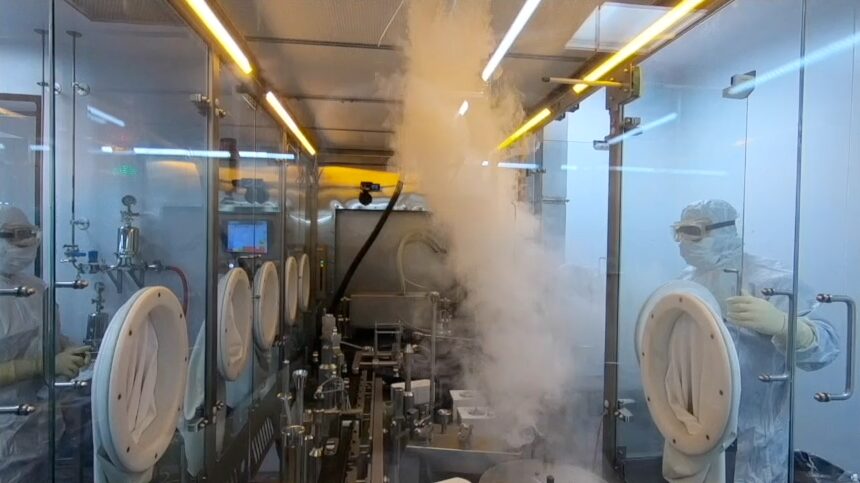
Flow visualization is the visible representation of airflow (e.g., with WFI fog) in the cleanroom to ensure correct air guidance and the protection of critical areas according to GMP.
VISIBILITY OF CRITICAL AIRFLOWS
Making flow conditions visible – for secure GMP processes
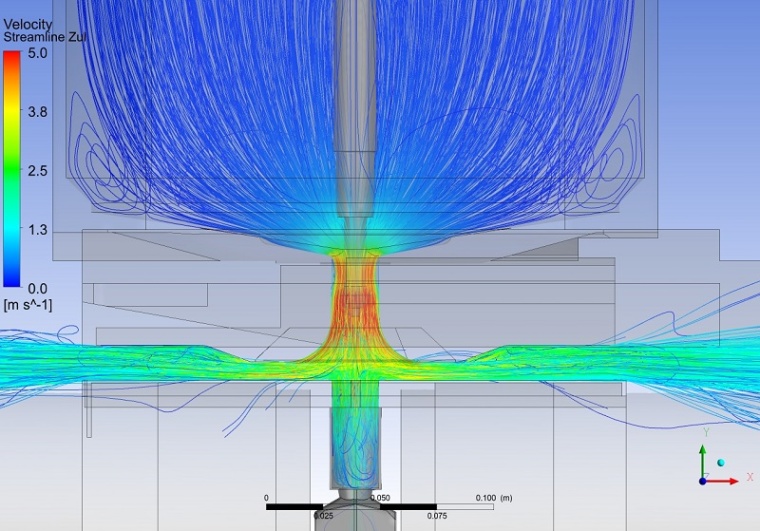
CFD
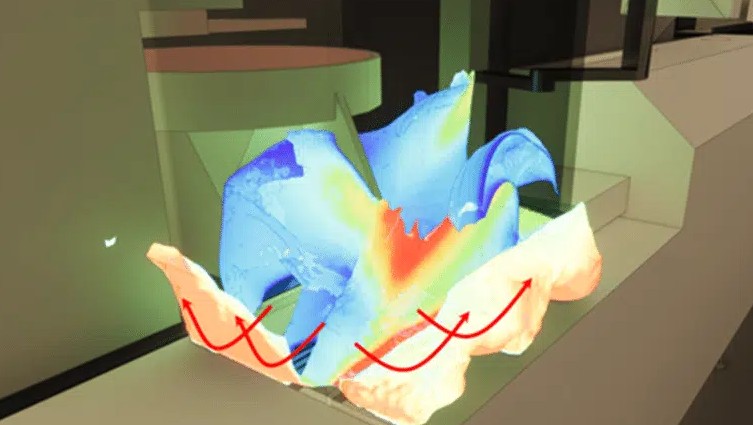
Smoke Studies
in Systems & Machines
By using oil-classified DI fog, we make otherwise invisible flow phenomena visible. This allows dead zones, backflows, or unfavorable flow profiles to be identified and specifically optimized.
in Rooms
The visualization shows how airflows are guided, where turbulences occur, and how effectively the ventilation works. This method is particularly helpful for room qualifications, cleanroom investigations, and for checking hygiene-relevant air guidance.
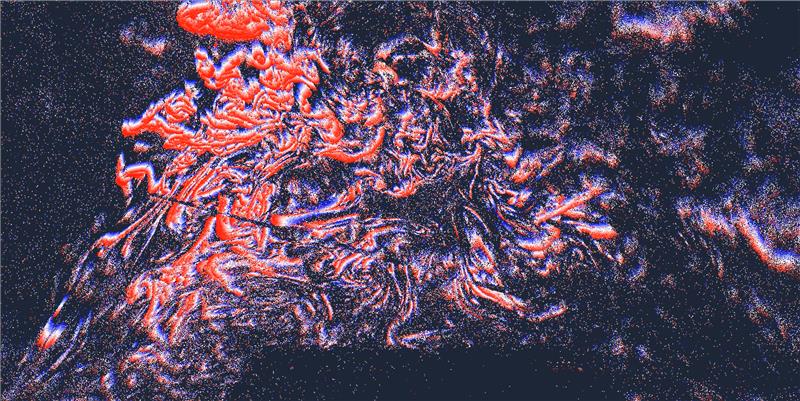
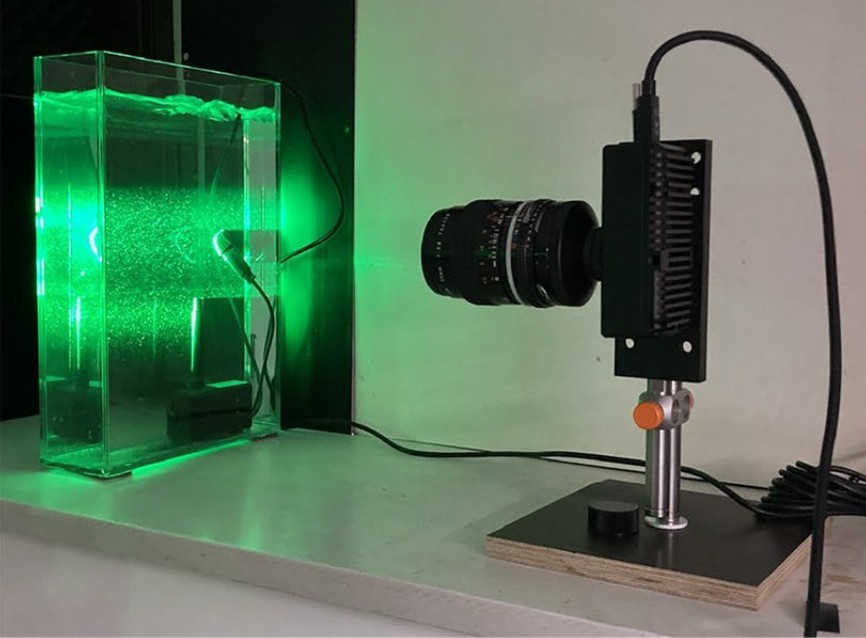
(PIV) + EBIV
Learn more
Identification of potential risks through a structured analysis of airflow and possible contamination sources
Learn more
Detailed planning of flow visualization – according to our clients’ specifications
Learn more
Establishment of objective evaluation criteria for assessing airflow conditions and cleanroom conformity.
Learn more
Creation of comprehensive reports with static and dynamic recordings to ensure traceability of results.
Learn more
Summary of all results, evaluations, and optimization proposals for sustainable cleanroom quality.
Your Benefits with DPhE

Legal Compliance
Reliable testing according to standards and laws

Efficiency
Short response times, fast results

Flexibility
Modularly bookable – from single test to complete package

Compatibility
Seamless integration into your processes